
Melanin-rich skin is resilient, expressive, and biologically unique, but it’s also commonly misunderstood.
Many of you with deeper skin tones are told your skin is “”strong” or “”less sensitive,” yet still experience dryness, uneven tone, sensitivity, and stubborn hyperpigmentation. This is especially true as the seasons change.
Understanding how melanin-rich skin functions is the foundation of healthy, consistent skincare.
Before choosing products or adjusting routines, it’s important to understand what your skin needs. It’s also important to understand why those needs often shift between winter and spring.
What Makes Melanin-Rich Skin Different
Melanin provides natural UV protection, but it also influences how your skin reacts to irritation, inflammation, and injury.
Common characteristics include:
– A higher likelihood of post-inflammatory hyperpigmentation
– Increased sensitivity to over-exfoliation
– A moisture barrier that can become compromised in cold or dry climates
– Uneven tone that may not feel dry, yet lacks balanced hydration
Melanin-rich skin often appears oily or normal while still being dehydrated underneath.
Seasonal Stress: Why Winter → Spring Is Tricky
Seasonal transitions place stress on your skin. During winter, cold air and indoor heating pull moisture from your skin. As spring approaches, fluctuating temperatures, increased humidity, and environmental allergens can trigger imbalance.
For melanin-rich skin, this often shows up as:
– Ashiness or dullness that lingers into spring
– Sudden breakouts or congestion
– Hyperpigmentation becoming more noticeable
– Products that once worked suddenly feeling “too heavy” or ineffective
The Importance of Your Skin’s Protective Layer
A healthy protective layer helps regulate moisture, protect against irritation, and reduce the risk of dark spots forming after inflammation.
This is why melanin-rich skin benefits from:
– Consistent hydration (not just surface moisture)
– Intentional ingredient choices
– Fewer harsh adjustments during seasonal changes
Summing Things Up …
Healthy skin for those of you with melanin-rich tones isn’t about chasing perfection, it’s about maintaining balance. As the seasons shift, understanding your skin’s biology allows you to respond with care instead of reaction.
That’s it for this week. As always …
Dedicated to Your Beauty,
Juliette Samuel,
Esthetician/Author/Publisher,

Recent Post
Essential Oils For Afro Textured Hair
Here’s A Great Book To Add To Your Library!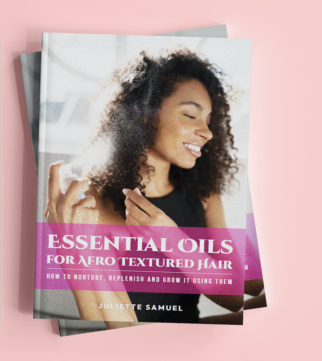
If you’re looking for a natural alternative to care for your Afro Texture hair, essential oils could be the key. Your kinky, curly, coiled hair is shaped differently and has a magnificent history. We want you to celebrate it!
Essential oils have been part of the stories and celebrations for centuries when it comes to your hair and its health.
Essential oils are a natural alternative for the care and maintenance of your hair. They’re lightweight and penetrate your hair and scalp well.
Many of them have been known to stimulate your scalp, increase circulation, nourish hair follicles, grow it and improve your overall hair health.
Get Your Copy Today!
Essential Oils For Afro Textured Hair-How To Nurture Replenish and Grow It Using Them
-You’ll learn which essential oils are best for your unique hair.
-You’ll learn about carrier oils and the ones best used for your hair and scalp care
-Of course you’ll find Safety Precautions for using essential oils.
-You’ll even find recipes to try
-There’s information on the importance of Nutrition and Lifestyle Choices and how each affects your hair.
There’s so much more …
Share and Follow
